Houthi Forces Consolidate Grip on Bab el-Mandeb Strait
 By Priya Raman · · 4 min read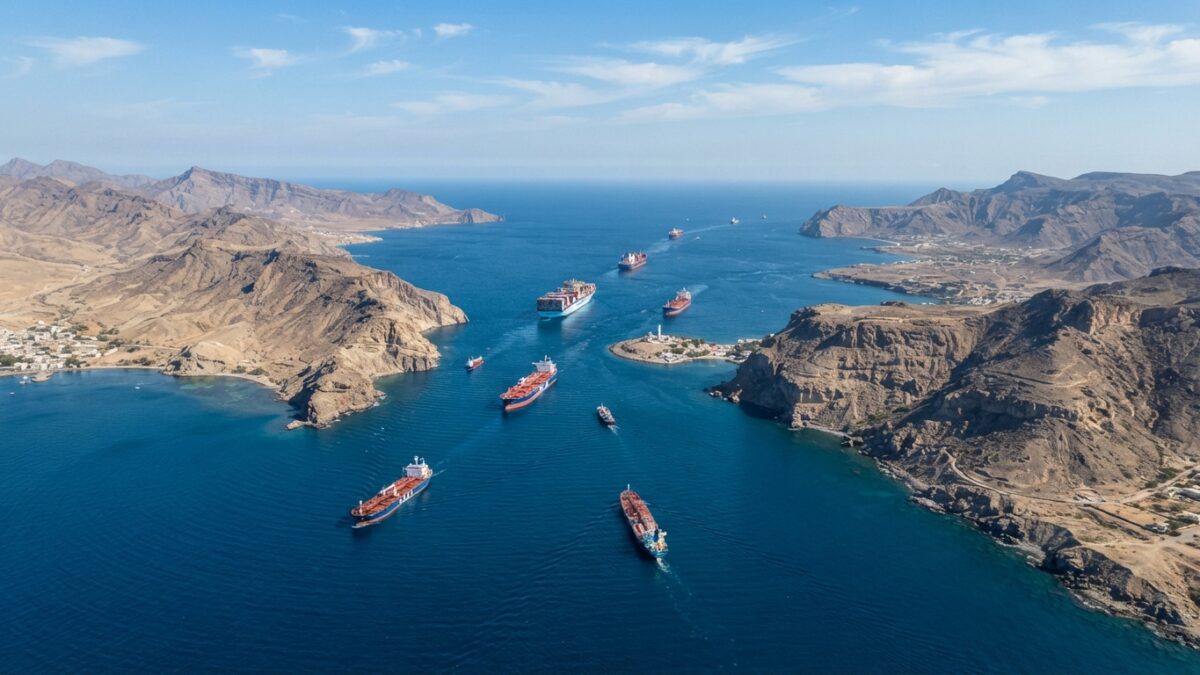
Iran-backed Houthi forces have achieved de facto control over the Bab el-Mandeb Strait, a critical maritime chokepoint connecting the Red Sea to the Gulf of Aden. The development marks a significant shift in the balance of power in a waterway through which an estimated 12 percent of global trade passes annually.
The Houthi movement, formally known as Ansar Allah, has expanded its influence over Yemen’s western coastline through a combination of military positioning, naval capabilities, and anti-ship weaponry. This control enables the group to monitor, threaten, or disrupt shipping traffic moving between the Mediterranean Sea and the Indian Ocean via the Suez Canal.
Strategic Significance of the Waterway
The Bab el-Mandeb Strait, approximately 18 miles wide at its narrowest point, represents one of the world’s most strategically important maritime passages. The channel serves as a critical link in global supply chains, particularly for energy shipments moving from the Persian Gulf to Europe and North America.
According to maritime shipping data, approximately 6.2 million barrels of crude oil and petroleum products transit the strait daily. European nations depend heavily on this route for energy imports, while Asian manufacturers rely on it for container shipping to Mediterranean and European markets.
The strait’s geography creates inherent vulnerabilities. Ships must pass through a narrow corridor between Yemen on the Arabian Peninsula and Djibouti and Eritrea on the African continent. This configuration provides land-based forces with potential targeting opportunities against maritime traffic.
Houthi Military Capabilities
The Houthi arsenal includes anti-ship missiles, naval mines, and unmanned vessels capable of threatening commercial and military shipping. The group has demonstrated these capabilities repeatedly since 2016, when it first attacked vessels in the Red Sea and Bab el-Mandeb region.
Western intelligence assessments indicate that Iran has supplied the Houthis with advanced weapons systems, including cruise missiles and drones. These transfers have occurred despite international arms embargoes and monitoring efforts by coalition naval forces operating in the region.
The Houthis control significant portions of Yemen’s Red Sea coastline, including the port city of Hodeidah. This territorial control provides the group with launch sites, surveillance positions, and logistical infrastructure for maritime operations.
Impact on Commercial Shipping
Shipping companies have already adjusted routes and increased insurance premiums for vessels transiting the region. Maritime security firms report heightened threat assessments for the Bab el-Mandeb corridor, particularly for vessels flagged to countries involved in the Yemen conflict or associated with Saudi Arabia and the United Arab Emirates.
Several major shipping lines have implemented additional security protocols for Red Sea transits. These measures include:
- Enhanced communication with naval forces operating in the region
- Modified routing to maximize distance from Yemen’s coastline
- Increased speed through high-risk areas
- Installation of defensive equipment on commercial vessels
- Real-time intelligence sharing among shipping operators
The insurance industry has responded by designating portions of the Red Sea and Gulf of Aden as elevated risk zones. War risk premiums for vessels transiting these waters have increased substantially, adding costs to global supply chains that ultimately affect consumer prices.
Regional and International Response
The United States maintains a naval presence in the region through the Fifth Fleet, based in Bahrain, and participates in multinational maritime security operations. These forces conduct surveillance, escort missions, and interdiction operations aimed at maintaining freedom of navigation.
Saudi Arabia and the UAE, both involved in the Yemen conflict, have expressed concern about Houthi maritime capabilities. The two nations have invested in coastal defense systems and naval forces to counter potential threats to their own shipping and energy exports.
European nations, particularly those dependent on Red Sea shipping lanes, have contributed vessels to maritime security operations. However, the scope and effectiveness of international naval forces remain limited by the geographic challenges of monitoring vast ocean areas and the difficulty of preventing attacks launched from Yemen’s extensive coastline.
Implications for Yemen’s Conflict
The Houthi control over the Bab el-Mandeb Strait provides the group with strategic leverage in Yemen’s ongoing civil war. The ability to threaten international shipping gives the Houthis a bargaining chip in negotiations and a potential means of pressuring countries supporting their adversaries.
Yemen’s conflict, which began in 2014 when Houthi forces seized the capital Sanaa, has created one of the world’s worst humanitarian crises. The United Nations estimates that more than 23 million Yemenis require humanitarian assistance. The war has killed hundreds of thousands of people through direct violence and indirect effects including disease and malnutrition.
Control of strategic assets like the Bab el-Mandeb approach strengthens the Houthi position in any future political settlement. The internationally recognized Yemeni government, backed by Saudi Arabia, controls minimal territory along the Red Sea coast, limiting its ability to contest Houthi maritime activities.
Unresolved Questions
The extent of direct Iranian involvement in Houthi maritime operations remains disputed. While weapons transfers are documented, the level of operational coordination, intelligence sharing, and command relationships between Tehran and Houthi forces is unclear.
International responses to the evolving situation also remain uncertain. Naval forces can provide some deterrence and protection, but preventing all potential attacks in such a large maritime area presents significant challenges. Whether additional military deployments or diplomatic initiatives will emerge depends on political calculations in multiple capitals.
The economic consequences of sustained uncertainty in the Red Sea corridor have yet to fully materialize. If major shipping disruptions occur, global supply chains could face significant stress, particularly for energy markets and container shipping between Asia and Europe.