Nepal Flood Death Toll Exceeds 900 as Missing Persons Count Reaches 4,247
 By Priya Raman · · 5 min read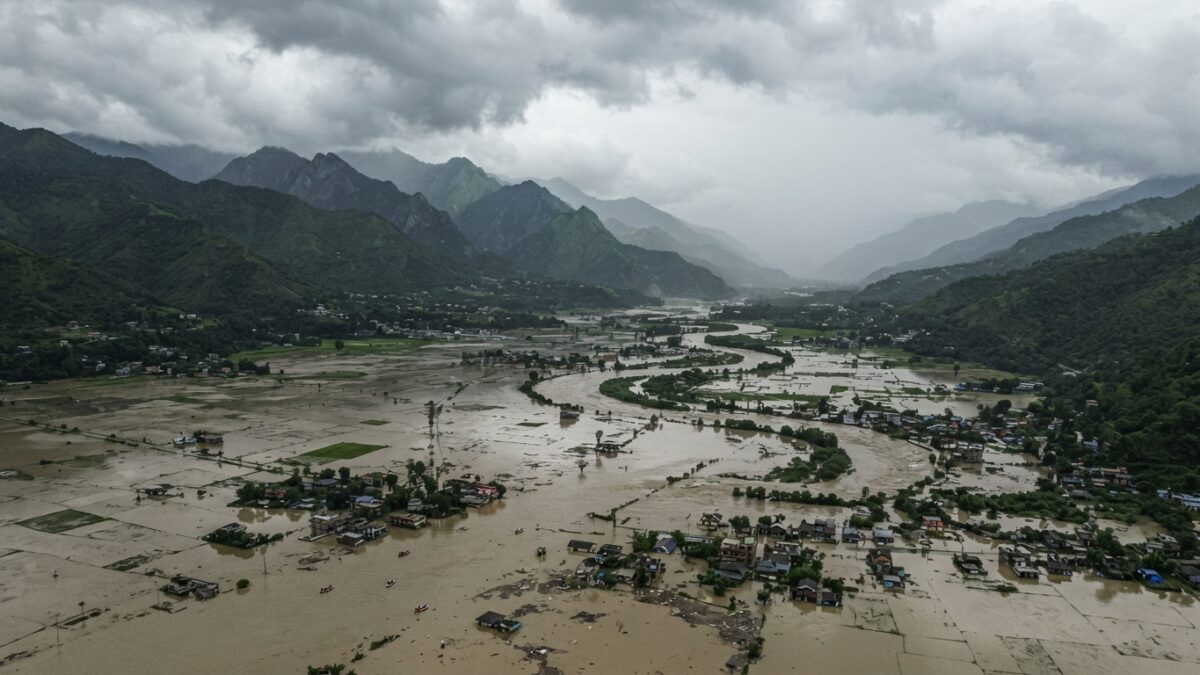
Nepal is confronting one of its worst flooding disasters in decades as authorities report more than 900 confirmed deaths and 4,247 people still missing following catastrophic floods that have devastated communities across the Himalayan nation. The rising casualty figures underscore the scale of destruction caused by what officials describe as an unprecedented weather event.
The floods have displaced thousands of families and destroyed critical infrastructure across multiple districts. Rescue operations continue despite challenging terrain and ongoing weather complications that hamper access to remote areas where many of the missing are believed to be stranded or buried under debris.
Scope of the Disaster
The death toll of over 900 represents one of the highest casualty counts from flooding in Nepal’s modern history. The number of missing persons, currently at 4,247, suggests the final death toll could climb significantly higher as search and rescue teams reach previously inaccessible areas.
Local authorities have struggled to maintain accurate records as communications infrastructure remains damaged in many affected regions. The missing persons count includes individuals reported by family members who have not been located, as well as entire households in areas where floodwaters swept away settlements.
Emergency response teams face the dual challenge of searching for survivors while also recovering bodies and providing aid to displaced populations. The scale of missing persons has overwhelmed local capacity, prompting requests for international assistance.
Geographic Impact and Vulnerable Communities
The flooding has affected multiple districts across Nepal, with mountainous regions particularly hard hit. Communities built along riverbanks and in valley bottoms experienced the most severe destruction as flash floods turned waterways into torrents that carried away homes, livestock, and people.
Nepal’s geographic profile makes it especially vulnerable to flooding disasters. The country’s steep terrain channels rainfall rapidly into river systems, and deforestation in many areas has removed natural barriers that once slowed water flow. Settlements in low-lying areas often lack early warning systems or evacuation infrastructure.
Rural communities with limited road access have been especially affected. In some cases, entire villages remain cut off from outside contact, making it impossible to confirm casualties or deliver assistance. Landslides triggered by the heavy rainfall have blocked roads and buried sections of mountain communities.
Monsoon Season and Climate Patterns
The disaster occurred during Nepal’s monsoon season, which typically runs from June through September. While seasonal flooding is common, the intensity and geographic spread of this event exceed normal patterns. Meteorological factors that contributed to the exceptional rainfall remain under analysis.
Climate scientists have noted that South Asian monsoon patterns have become increasingly volatile in recent years, with traditional seasonal predictability giving way to more extreme precipitation events interspersed with drought periods. Nepal has experienced several major flooding events over the past two decades, but few have matched the current disaster in terms of casualties.
The country’s position in the Himalayan region creates unique weather dynamics. Monsoon systems colliding with mountain ranges can produce concentrated rainfall over small geographic areas, leading to flash floods that develop with minimal warning.
Response and Rescue Operations
Nepal’s government has mobilized military units, police forces, and civilian disaster response teams to conduct search and rescue operations. Helicopters have been deployed to reach isolated communities, though poor weather conditions frequently ground aircraft and delay operations.
Temporary shelters have been established for displaced populations, but many evacuees report inadequate supplies of food, clean water, and medical care. The destruction of roads and bridges complicates efforts to transport relief supplies to affected areas.
International humanitarian organizations have begun coordinating with Nepali authorities to provide assistance. The United Nations and regional partners are assessing needs and preparing emergency aid packages, though the logistics of distribution in mountainous terrain present significant challenges.
Infrastructure Damage and Economic Impact
Beyond the human casualties, the floods have caused extensive damage to infrastructure that will require months or years to repair. Bridges connecting remote communities to regional centers have been washed away, isolating populations and disrupting commerce.
Agricultural land has been severely affected, with fields inundated and topsoil stripped away by floodwaters. The loss of crops threatens food security in affected regions and will impact farm families’ livelihoods for multiple growing seasons. Livestock deaths add to the economic toll on rural communities dependent on animal husbandry.
Hydroelectric facilities, which provide significant portions of Nepal’s electricity, have sustained damage. Power outages in affected areas complicate rescue operations and recovery efforts while also disrupting economic activity.
Historical Context and Previous Disasters
Nepal has experienced numerous flooding disasters throughout its history, though comprehensive casualty records for older events are often incomplete. The 2017 monsoon season produced severe flooding that killed hundreds and displaced tens of thousands, while the 2015 earthquake created conditions that increased flood vulnerability by destabilizing slopes and creating debris that could dam rivers.
The country’s disaster preparedness infrastructure has improved following past events, with early warning systems installed in some high-risk areas and emergency response protocols developed. However, the geographic challenges and limited resources available to local governments mean that many vulnerable communities remain inadequately protected.
Ongoing Uncertainties
The final casualty count remains unknown as search operations continue in remote areas. Weather forecasts indicate additional rainfall possible in coming days, which could trigger further flooding or landslides and complicate rescue efforts.
The status of critical infrastructure in isolated regions remains unconfirmed. Communications with some districts have not been reestablished, leaving uncertainty about conditions and needs in those areas. The number of missing persons may change as communications are restored and more accurate information becomes available from affected communities.