U.N. Panel Finds Possible U.S. War Crimes in Iran Strikes
 By Priya Raman · · 5 min read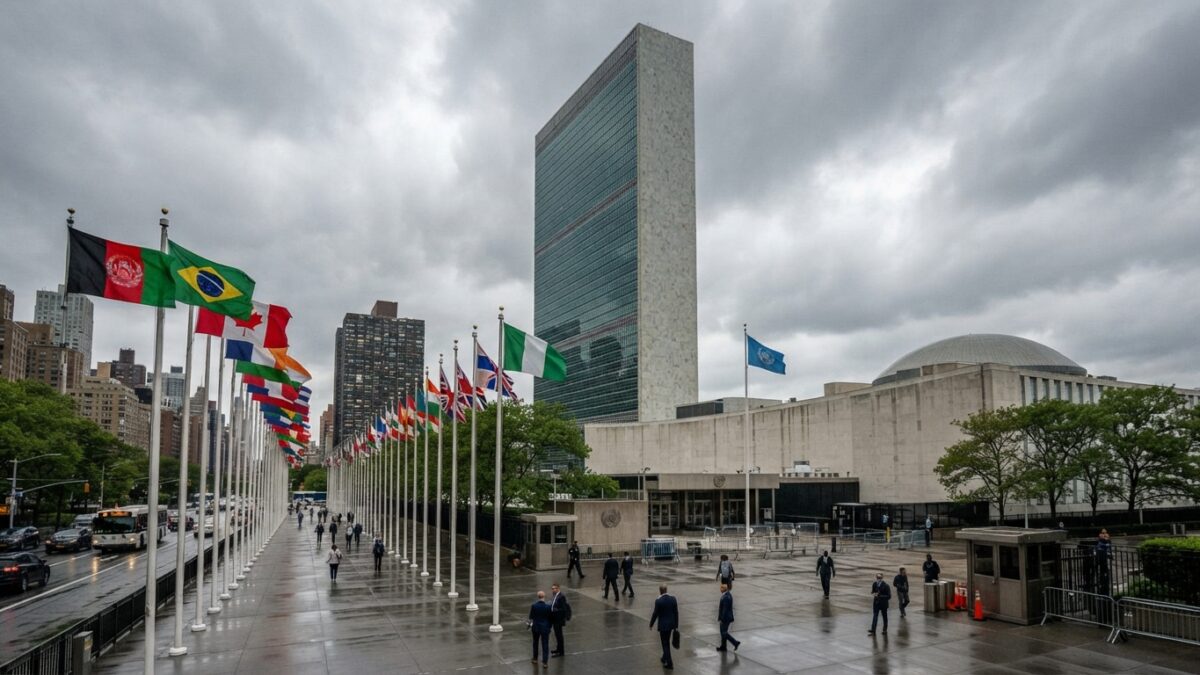
A United Nations investigative panel has concluded there is credible evidence that recent U.S. military strikes in Iran may constitute war crimes, according to findings released this week. The report comes as President Donald Trump stated publicly that Iran is seeking a diplomatic agreement, creating a complex backdrop of legal scrutiny and potential negotiation.
The independent panel, operating under U.N. human rights mechanisms, documented patterns of civilian casualties and potential violations of international humanitarian law during strikes conducted in recent months. Investigators cited incidents where proportionality principles may have been breached and where civilian infrastructure appears to have been targeted without adequate military justification.
Documentation of Alleged Violations
The U.N. report details multiple strike locations where civilian deaths occurred under circumstances that raise legal questions. Investigators examined blast patterns, survivor testimony, and satellite imagery to reconstruct events on the ground. The panel noted that in several instances, the military advantage gained appeared disproportionate to civilian harm caused.
International humanitarian law, codified in the Geneva Conventions and customary practice, requires combatants to distinguish between military and civilian targets, to use proportionate force, and to take precautions to minimize civilian harm. Violations of these principles can constitute war crimes under the Rome Statute that established the International Criminal Court.
The panel emphasized that its findings represent preliminary conclusions based on available evidence. Investigators called for full access to strike data, communications records, and targeting procedures to complete a comprehensive assessment. U.S. military officials have not granted such access to date.
Legal Framework and Accountability Mechanisms
War crimes prosecutions typically require demonstrating intent or recklessness in causing civilian harm, not merely that civilians died in military operations. The threshold involves showing that commanders knew or should have known their actions would cause excessive civilian casualties relative to anticipated military advantage.
The International Criminal Court has jurisdiction over war crimes committed by nationals of states that have ratified the Rome Statute, or crimes committed on the territory of such states. The United States is not a party to the ICC and does not recognize its jurisdiction over American personnel. This creates a practical barrier to international prosecution, though other avenues for accountability exist.
Universal jurisdiction principles allow some national courts to prosecute grave breaches of the Geneva Conventions regardless of where they occurred or the nationality of perpetrators. Several European nations have used this mechanism in past cases, though political considerations often limit its application against major powers.
The U.N. Human Rights Council can establish commissions of inquiry, impose sanctions, or refer matters to other bodies. The Security Council has the authority to refer situations to the ICC, but permanent members including the United States hold veto power over such resolutions.
Diplomatic Signals Amid Legal Scrutiny
President Trump’s assertion that Iran wants a deal comes as both nations have exchanged indirect signals through intermediaries. Administration officials have suggested willingness to discuss terms that would lift certain sanctions in exchange for nuclear program restrictions and regional security commitments.
Iranian officials have neither confirmed nor denied interest in negotiations, maintaining public statements that emphasize sovereignty and resistance to pressure. However, back-channel communications reportedly continue through European intermediaries and Omani facilitators who have historically played this role.
The timing of potential negotiations against the backdrop of war crimes allegations creates diplomatic complications. International law experts note that states facing credible accusations often face domestic and international pressure that constrains their negotiating positions and creates leverage for opposing parties.
Previous Precedents in Conflict Negotiations
Historical cases show that parties have negotiated while facing war crimes allegations, though such circumstances complicate talks. The Dayton Accords that ended the Bosnian war proceeded despite ongoing investigations that eventually led to prosecutions. Colombian peace negotiations continued as the International Criminal Court maintained a preliminary examination of the conflict.
In some cases, accountability mechanisms are incorporated into peace agreements themselves, creating hybrid tribunals or truth commissions. Whether any U.S.-Iran agreement would address questions of accountability for recent military actions remains unknown.
Military Operations Context
The strikes examined by U.N. investigators occurred following escalating tensions that included attacks on commercial shipping, drone strikes on oil facilities, and the January 2020 killing of Iranian General Qasem Soleimani. U.S. officials have characterized operations as defensive responses to Iranian aggression and proxy attacks.
Pentagon targeting procedures require legal reviews at multiple levels, with judge advocates assessing whether proposed strikes comply with law of armed conflict principles. Defense officials maintain that all operations followed established protocols and that civilian casualties, when they occurred, were unintended consequences of lawful strikes against legitimate military objectives.
The U.N. panel’s findings challenge these characterizations in specific cases, suggesting that some targeting decisions may not have adequately weighed civilian risk or that intelligence assessments proved inaccurate in ways that should have been foreseeable.
Regional Security Implications
The legal questions surrounding recent strikes intersect with broader regional security dynamics. Gulf Arab states, while often aligned with U.S. policy toward Iran, face their own civilian populations and must balance support for military pressure against concerns about escalation and humanitarian consequences.
European allies have expressed discomfort with some aspects of U.S. military operations while maintaining overall strategic alignment. The war crimes allegations provide additional friction in transatlantic coordination on Iran policy, particularly as European states generally support ICC jurisdiction and international accountability mechanisms.
Iran has used allegations of U.S. violations to bolster its position in regional diplomacy and to rally domestic support. State media extensively covers civilian casualties and frames military operations as aggression against the Iranian people rather than targeted actions against specific military capabilities.
What Remains Uncertain
The full scope of civilian casualties from recent strikes remains disputed, with independent verification difficult given access restrictions and the politicized information environment. Investigative journalists and humanitarian organizations continue efforts to document incidents through satellite analysis, open-source investigation, and limited on-ground reporting.
Whether formal diplomatic negotiations will commence, what terms might be under discussion, and how legal questions factor into any potential agreement all remain unclear. Both governments face domestic political constraints that limit their flexibility and create incentives to maintain public postures that may not reflect private positions.
The U.N. panel plans to present its full report to the Human Rights Council in the coming months, at which point member states will decide whether to pursue further action. The United States typically contests such reports through procedural objections and substantive rebuttals rather than engaging with findings on their merits.