U.S. Diesel Prices Hit Record High as Supply Concerns Mount
 By Priya Raman · · 5 min read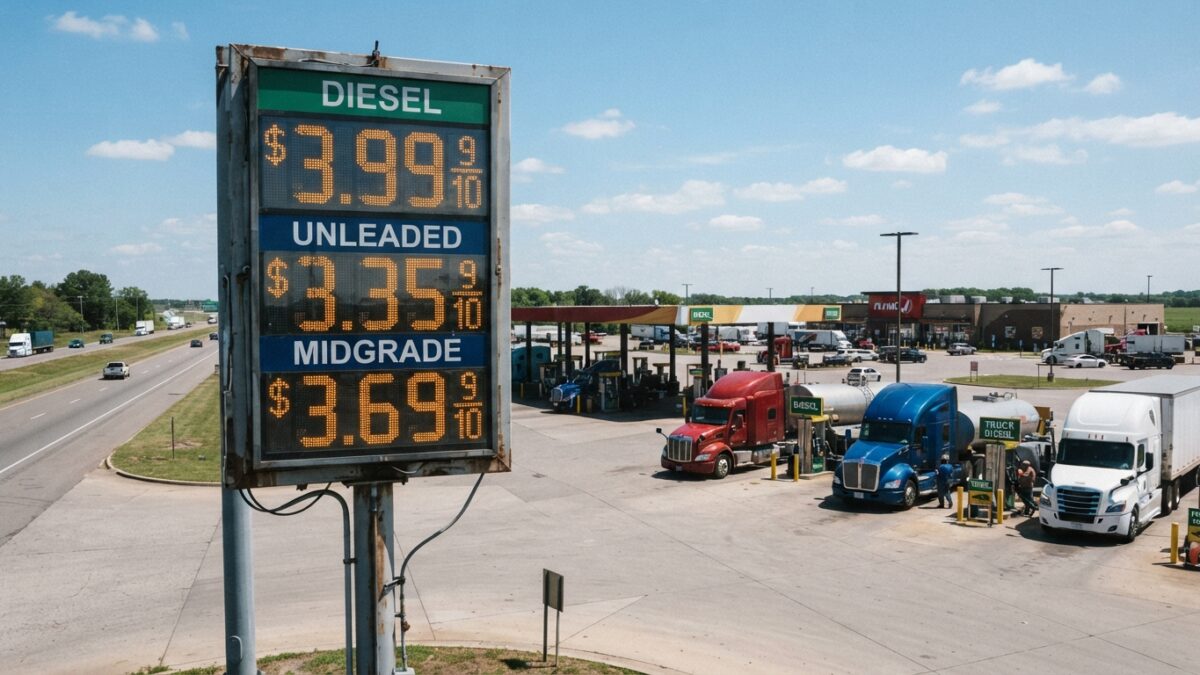
Diesel fuel prices in the United States have climbed to record highs, exceeding previous peaks and intensifying concerns about the broader economic impact on transportation costs, consumer goods, and inflation. The surge marks a significant development in energy markets as the nation grapples with supply constraints and shifting demand patterns.
The milestone represents a critical inflection point for industries that depend heavily on diesel fuel, including trucking, agriculture, manufacturing, and rail transport. Unlike gasoline, which primarily affects individual consumers, diesel price increases ripple through the entire economy, affecting the cost of moving goods from factories to warehouses to retail stores.
Supply Constraints Drive Price Surge
Multiple factors have converged to push diesel prices to unprecedented levels. Refineries across the country have been operating near capacity limits, struggling to meet demand while managing maintenance schedules and regulatory requirements. The refining process for diesel differs from gasoline production, and refiners must balance output between various fuel types based on market conditions.
Inventory levels of diesel fuel have remained below historical averages in key distribution hubs, creating vulnerability to price spikes when demand increases or supply disruptions occur. The strategic petroleum reserve, while containing crude oil, does not directly address refined product shortages in the diesel market.
Global energy markets have also contributed to domestic price pressures. International demand for diesel and related distillate fuels has remained robust, creating competition for available supplies. Export opportunities can pull domestic production toward foreign markets when price differentials make such sales more profitable for refiners.
Economic Ripple Effects
The trucking industry, which moves approximately 72 percent of freight tonnage in the United States, faces immediate cost pressures from elevated diesel prices. Fleet operators typically pass fuel surcharges to customers, but these adjustments lag behind actual price increases, squeezing profit margins in the interim.
Small trucking companies and owner-operators face particular challenges, as they often lack the financial cushion to absorb sudden fuel cost increases. Some operators have reported difficulty securing loads at rates that cover their rising expenses, forcing difficult decisions about route planning and equipment utilization.
Agricultural producers rely on diesel to power tractors, combines, irrigation systems, and other essential equipment. Farming operations have limited ability to reduce fuel consumption in the short term, as planting and harvest schedules follow biological imperatives. Higher diesel costs add to input expenses that also include fertilizer, seed, and labor, potentially affecting food prices downstream.
Consumer Price Implications
While consumers may not purchase diesel directly for personal vehicles in most cases, they will likely encounter the effects through higher prices for transported goods. Everything from groceries to building materials to household products travels by diesel-powered trucks at some point in the supply chain.
Retailers face decisions about whether to absorb increased transportation costs or pass them along to customers. In a competitive market environment, companies attempt to minimize price increases to maintain market share, but sustained fuel cost elevation eventually manifests in consumer prices.
The construction industry, another major diesel consumer, uses the fuel in excavators, bulldozers, generators, and other heavy equipment. Project budgets developed months earlier may not have accounted for current fuel price levels, creating potential cost overruns or delays as contractors reassess financial projections.
Regional Variations and Market Dynamics
Diesel prices vary significantly across different regions of the United States based on local supply infrastructure, tax policies, and transportation costs. Areas distant from major refineries typically experience higher prices due to the expense of moving fuel to retail locations.
The Gulf Coast, home to significant refining capacity, generally sees lower prices than other regions. Conversely, the West Coast and Northeast often face premium prices due to stricter environmental regulations, limited pipeline access, or geographic isolation from refining centers.
Seasonal factors also influence diesel markets. Winter demand for heating oil, which is chemically similar to diesel, can tighten supplies in colder regions. Agricultural demand peaks during planting and harvest seasons, creating predictable consumption patterns that affect pricing.
Policy and Regulatory Context
Federal and state regulations affect diesel supply and pricing through multiple mechanisms. Environmental standards for sulfur content, renewable fuel blending requirements, and emissions controls all influence refining economics and product availability.
The Renewable Fuel Standard requires blending of biodiesel and renewable diesel into the fuel supply. While these alternatives can supplement petroleum diesel, production capacity remains limited relative to total demand. Development of renewable diesel facilities requires substantial capital investment and time.
Tax policy also shapes diesel markets. The federal excise tax on diesel fuel funds highway infrastructure, while state taxes vary widely. Some jurisdictions offer tax exemptions for agricultural or off-road diesel use, creating multiple price points within the same geographic area.
Outlook and Uncertainties
Market analysts face challenges forecasting diesel price trajectories given multiple variables affecting supply and demand. Refinery capacity additions require years of planning and construction, limiting near-term supply responses. Demand remains tied to economic activity levels, which carry their own uncertainties.
Weather patterns can disrupt both supply and demand. Hurricanes threaten Gulf Coast refineries and distribution infrastructure, while severe cold or heat affects consumption patterns. Geopolitical developments in major oil-producing regions introduce additional volatility into energy markets.
The ongoing transition toward alternative fuels and electrification may eventually reduce diesel demand, but current infrastructure and technology mean diesel will remain critical to transportation and industry for the foreseeable future. The pace of this transition depends on policy choices, technological advances, and economic incentives that remain subject to debate.
What remains unclear is whether current price levels represent a temporary spike or a sustained shift in diesel market fundamentals. Industry participants and policymakers continue monitoring inventory data, refinery utilization rates, and demand indicators for signals about future price direction.